When your child struggles to focus on homework, you feel mentally foggy after a long day, or an older parent starts forgetting names more often, it’s natural to look for solutions. One of the most powerful, accessible tools available is something you probably already do every day: move your body.
Physical activity isn’t just good for the heart and muscles — it directly supports cognitive function in powerful ways. Recent large-scale studies, including the 2025 U.S. POINTER trial and multiple meta-analyses, show that regular movement improves memory, attention, processing speed, and even helps protect against cognitive decline.
In this post, we’ll break down the science of how physical activity supports cognitive function, the specific brain benefits, and easy ways to build movement into daily life — whether you’re helping a child with ADHD and learning challenges, supporting your own focus, or caring for an aging loved one.
How Physical Activity Changes the Brain
Movement triggers several key biological processes that benefit the brain:
- Increases BDNF (Brain-Derived Neurotrophic Factor) — Often called “Miracle-Gro for the brain,” BDNF promotes the growth of new neurons and strengthens connections, especially in the hippocampus (memory center) and prefrontal cortex (focus and decision-making).
- Boosts blood flow and oxygen delivery — Exercise improves circulation, delivering more oxygen and nutrients while helping remove waste products.
- Reduces inflammation and stress hormones — Chronic cortisol can shrink memory-related brain areas; movement lowers it and promotes feel-good chemicals like dopamine and serotonin.
- Supports neuroplasticity — The brain’s ability to rewire itself is enhanced, helping it adapt, learn, and recover from challenges.
These changes happen quickly — even a single session of moderate activity can improve attention and memory for hours afterward.
Proven Cognitive Benefits Across Ages
For Children and Teens (Including Those with ADHD or Learning Disabilities): Physical activity enhances attention, working memory, and executive function — skills that are often weaker in kids with ADHD or co-occurring learning disabilities. Studies show 20–30 minutes of movement before school or during breaks improves classroom behavior, reading comprehension, and math performance. Play-based activity is especially effective because it combines movement with social and cognitive demands.
For Adults: Regular exercisers report better focus, faster problem-solving, and greater mental resilience at work. Movement also helps counteract the effects of stress and poor sleep on cognition.
For Older Adults: Physical activity is one of the strongest modifiable factors for maintaining memory and slowing age-related decline. Aerobic exercise and mind-body practices have been shown to enlarge the hippocampus and reduce the risk of progressing from normal memory changes to mild cognitive impairment (MCI) or dementia.
Across all ages, consistent activity links to better mood, lower anxiety, and improved sleep quality — all of which further support cognitive function.
What Types of Activity Work Best?
The best news? You don’t need intense workouts. A mix of these types delivers the biggest cognitive payoff:
- Aerobic (cardio) — Brisk walking, swimming, cycling, dancing. Aim for 150 minutes per week (or 30 minutes most days).
- Strength training — Bodyweight exercises, resistance bands, or light weights 2–3 times per week.
- Mind-body practices — Yoga, tai chi, or Pilates combine movement with focus and breathing, offering extra benefits for attention and stress reduction.
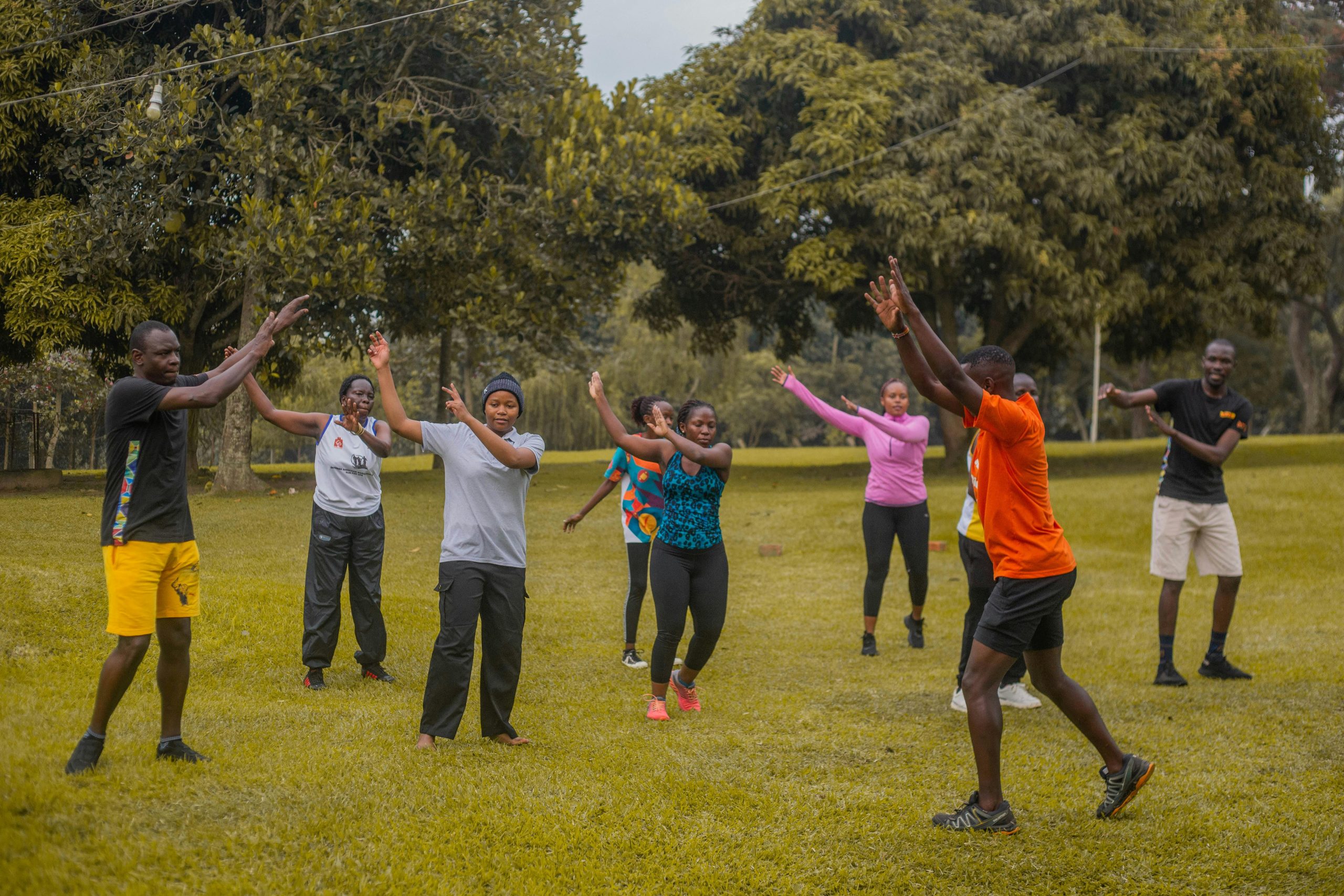
- Play-based or functional movement — For kids and families: tag, bike rides, dance parties, or active games.
Even short bouts (10–15 minutes) several times a day add up and can be more sustainable than one long session.
Simple Ways to Build Physical Activity into Daily Life
- Start with movement breaks — After 20–30 minutes of sitting, stand up and move for 2–5 minutes (jumping jacks, marching in place, or a quick walk around the house).
- Make it family-friendly — Evening walks together, weekend park time, or active chores like dancing while cleaning.
- Tie it to routines — Walk to school, do yoga before bedtime, or have “movement snacks” between homework sessions.
- Use the environment — Take calls while walking, use stairs, or turn TV time into active game time.
- Combine with other brain-health habits — Pair a walk with social conversation (see our social engagement post) or follow it with a brain-boosting meal (nutrition post).
For older adults or those with mobility concerns, chair exercises, gentle stretching, or seated marching still provide cognitive benefits.
Final Thoughts
Physical activity supports cognitive function in ways that are both immediate and long-lasting. It’s one of the few interventions that benefits the brain at every age — sharpening focus in children, sustaining mental clarity in adults, and protecting memory in older family members.
You don’t need fancy equipment or hours at the gym. Small, consistent movement — even 20–30 minutes most days — can make a real difference in memory, attention, mood, and overall brain health. And the best part? It’s free, enjoyable, and something the whole family can do together.
Leave a Reply