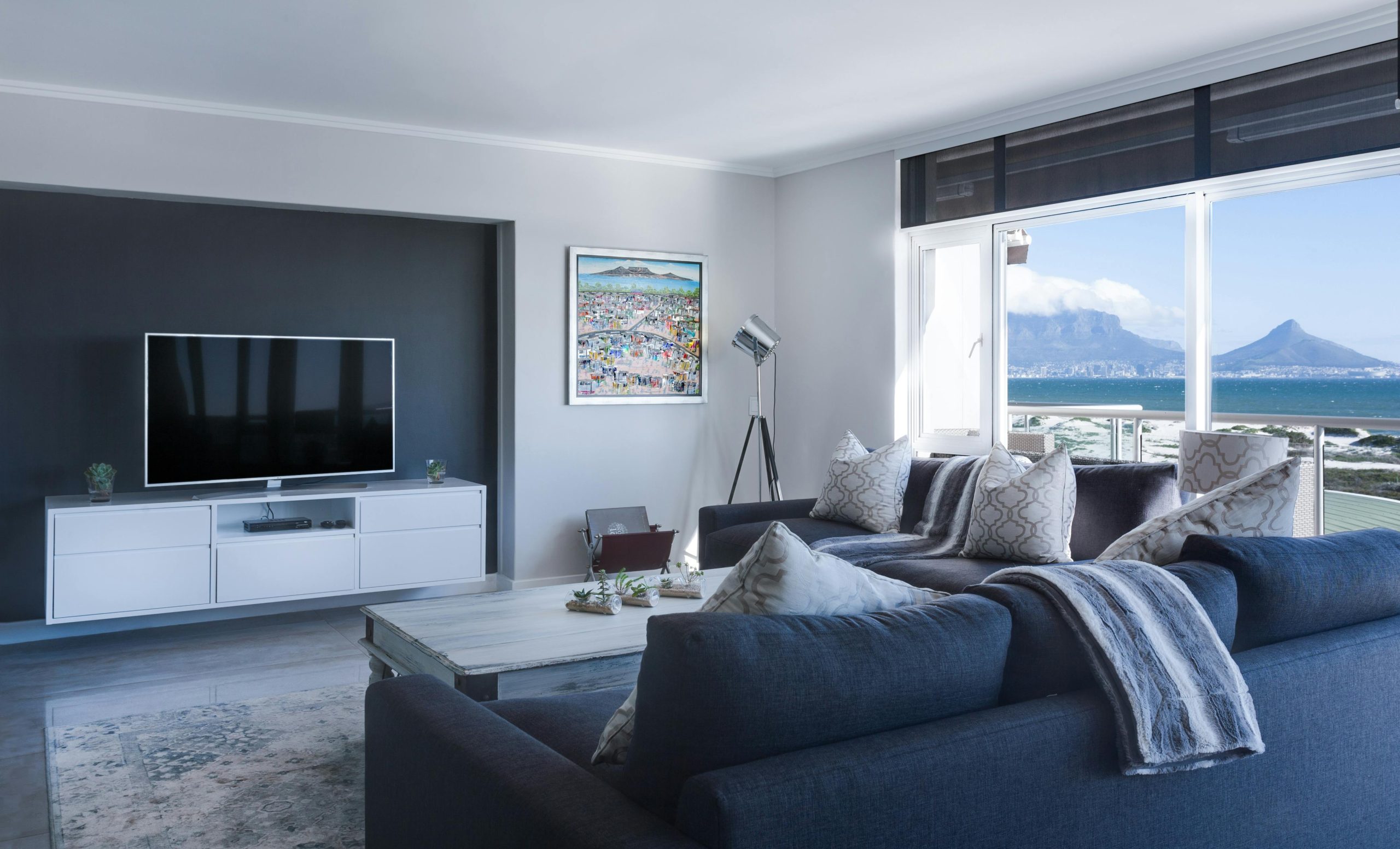
When memory becomes less reliable — whether due to normal aging, mild cognitive impairment (MCI), early dementia, or medication side effects — the home can either help or hinder. Cluttered counters, poor lighting, or missing labels can turn everyday tasks into frustrating ordeals. On the flip side, a thoughtfully designed memory-friendly home environment can reduce anxiety, support independence, and make daily life smoother for everyone involved.
The goal isn’t a sterile or clinical space — it’s a warm, familiar home that works with the brain instead of against it. Research from organizations like the Alzheimer’s Association and dementia-friendly design studies shows that small environmental changes can improve safety, confidence, and quality of life while complementing other strategies like routines, medication reviews, and brain-healthy habits.
In this post, we’ll walk through practical, step-by-step ways to create a memory-friendly home — room by room, with low-cost ideas you can start today.
Why a Memory-Friendly Home Matters
A supportive environment:
- Reduces confusion and “where did I put that?” moments
- Minimizes safety risks (falls, forgotten appliances, wandering)
- Supports routines and independence
- Lowers caregiver stress by making things more predictable
- Works alongside lifestyle habits (exercise, social engagement, stress management) we’ve covered in earlier posts
Even small tweaks can make a noticeable difference in how someone with memory challenges navigates their day.
Core Principles for a Memory-Friendly Home
Focus on these four guiding ideas before making changes:
- Simplify and Declutter — Less visual noise means less mental overload.
- Use Clear Visual Cues — Labels, color coding, and contrast help when words or memory fail.
- Enhance Lighting and Contrast — Good visibility prevents mistakes and anxiety.
- Create Consistent Zones and Routines — Predictability supports independence.
Room-by-Room Practical Tips
Entryway / Main Living Areas
- Place a small table or basket right inside the door for keys, wallet, phone, and glasses — label it clearly.
- Use a large, easy-to-read wall calendar or whiteboard for appointments and reminders.
- Keep pathways wide and clear; remove loose rugs or cords that could cause trips.
- Add bright, even lighting (motion-sensor lights are ideal).
Kitchen
- Label cabinets and drawers with large, high-contrast pictures or words (e.g., “Plates,” “Cups,” photo of a plate).
- Use clear containers or open shelving for frequently used items so contents are visible.
- Create a “daily station” with breakfast items, medications, and a water bottle grouped together.
- Install automatic shut-off devices on stove/oven or use a timer reminder.
- Remove or hide rarely used appliances to reduce clutter and decision fatigue.
Bedroom
- Keep the bedside table minimal: lamp, clock with large numbers, phone charger, and a single labeled basket for nighttime essentials.
- Use contrasting bedding and floor colors to make the bed easier to see.
- Place a night-light with a motion sensor to reduce nighttime confusion.
- Lay out tomorrow’s clothes the night before in a visible spot.
Bathroom
- Use labeled, color-coded bins or baskets (e.g., blue for toiletries, red for medications).
- Add non-slip mats, grab bars, and a shower chair for safety.
- Install a large mirror with good lighting and keep the counter clutter-free.
- Use a pill organizer with clear daily compartments (link to our medication post).
Throughout the Home
- Maintain consistent furniture placement — moving things around increases confusion.
- Use large-print, high-contrast signs for important instructions (e.g., “Turn off stove” near the kitchen).
- Consider smart home devices: voice-activated lights, medication reminders, or door sensors for safety.
- Keep emergency contacts and a simple “daily routine” checklist posted in a central spot.
Low-Cost and Easy-Start Ideas
- Start small: Pick one room or one change this weekend (most people see quick wins with labeling and decluttering).
- Involve the person with memory changes when possible — it preserves dignity and helps them feel ownership.
- Use removable labels, command hooks, and clear bins so changes are reversible.
- Budget-friendly sources: dollar stores, office supply stores, or online (Amazon has many dementia-friendly products).
Combining Home Changes with Other Supports
A memory-friendly environment works best when paired with:
- Consistent daily routines (from our MCI coping strategies post)
- Regular medication reviews (see our medications post)
- Brain-healthy habits like exercise, social engagement, and good sleep
- Caregiver self-care — a calmer home reduces stress for everyone
If memory issues are progressing, consider a formal home safety assessment through occupational therapy or local aging services.
Final Thoughts
Creating a memory-friendly home environment doesn’t require a complete renovation or big budget — it’s about thoughtful, compassionate adjustments that say “this home supports you.” These changes can reduce frustration, prevent accidents, and help your loved one (or yourself) maintain independence and confidence for longer.
You’re already taking a meaningful step by reading this. Start with one or two simple tweaks this week — perhaps labeling the kitchen cabinets or setting up a daily essentials station. Over time, these small shifts create a space that feels safe, familiar, and empowering.
Leave a Reply