If your child struggles to remember instructions, follow multi-step directions, or recall what they just read, it might feel like their “mental bucket” has holes. The good news? Memory exercises at home can strengthen working memory (holding info temporarily for tasks), short-term recall, and even long-term retention—often with everyday items or free games.
These activities build on the brain’s neuroplasticity (its ability to form new connections). Research shows consistent mental challenges—like puzzles, games, and recall drills—improve attention, problem-solving, and academic performance. They’re especially helpful alongside good nutrition/hydration (from our last post) or when addressing potential learning challenges.
Best part: No fancy tools required. Many are fun family activities that boost confidence too. Let’s dive into practical, effective ones!
Why Focus on Memory Exercises at Home?
Working memory is key for learning—following directions, mental math, reading comprehension. Short-term memory helps retain info briefly; long-term builds knowledge over time.
Evidence-backed benefits:
- Games and puzzles enhance recall and executive function.
- Simple recall drills (e.g., backward counting) target working memory.
- Activities like matching or visualization build visual/spatial memory.
Start small (10–15 minutes/day), make it playful, and praise effort. Adapt for age: simpler for younger kids, add complexity for older ones/adults.
Top Memory Exercises You Can Do at Home
1. Classic Memory Matching Game (Concentration)
Flip over cards to find pairs—use a standard deck, homemade picture cards, or print free templates online.
- How it helps: Boosts visual memory and attention.
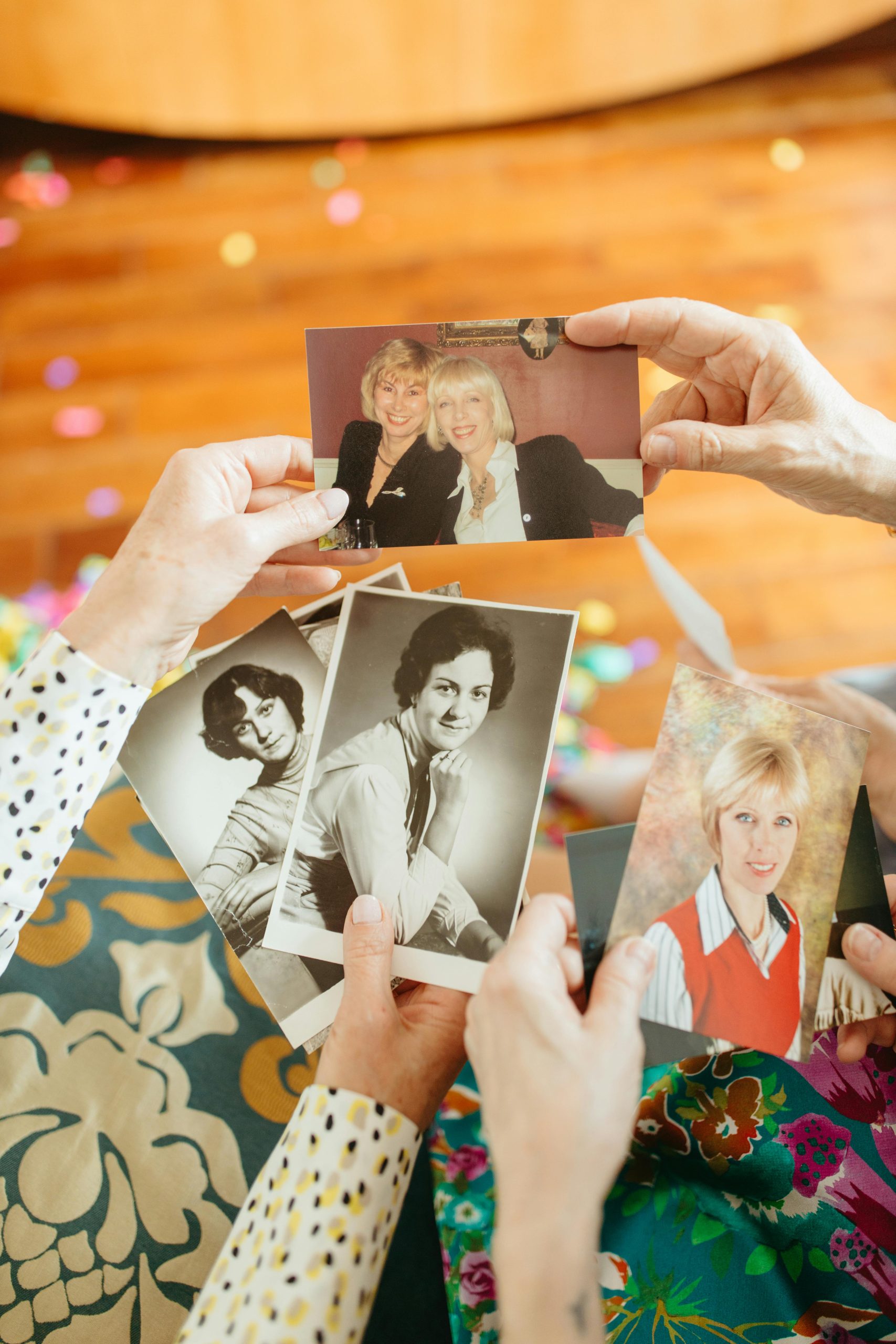
- Kid twist: Use family photos or drawings.
- Adult level: Time yourself or use more cards.
- Pro tip: Start with 6–8 pairs; increase as they improve.
2. “What’s Missing?” Tray Game
Place 10–15 small objects on a tray (toys, kitchen items). Let your child study for 30–60 seconds, cover it, remove 1–3 items, then uncover and ask what’s missing.
- How it helps: Sharpens short-term visual memory.
- Variations: Increase items, remove/add multiple, or do it verbally (“I took the red block and spoon”).
- Great for preschoolers to tweens.
3. Backward Recitation Challenges
Say familiar sequences backward:
- Days of the week/month backward.
- Count backward from 20/50/100 by 1s, 2s, 3s, etc.
- Alphabet backward (start from Z).
- How it helps: Trains working memory by holding and manipulating info.
- Fun add-on: Alternate numbers/letters (A-1, B-2…).
- For kids: Make silly voices or race family members.
4. Storytelling Recall Chain
One person starts a story with a sentence. Next adds one, remembering all previous. Keep going until someone forgets.
- How it helps: Builds sequential memory and listening.
- Family version: Theme it (e.g., “adventure with superheroes”).
- Solo: Retell a favorite book scene from memory.
5. Simon Says… with a Twist (or Simon Game Style)
Play Simon Says, but add sequences: “Touch your head, then clap twice, stomp, jump.”
- Or use free online Simon apps if available, but homemade is fine.
- How it helps: Improves auditory/working memory for sequences.
6. Grocery List Memorization
Memorize 5–10 grocery items (or homework supplies). Recall them later without looking.
- How it helps: Practical working memory + categorization (group by aisle).
- Advanced: Recall in order or backward.
7. Card Games for Memory
- Go Fish, Uno, Crazy Eights, War: Remember rules, cards played, others’ hands.
- Battleship or Memory card variants.
- How it helps: Strategy + holding info during play.
8. Number/Word Recall Drills
Read a list of 5–7 numbers/words, wait 10–30 seconds, recall in order/ backward/random.
- Variations: Add colors/shapes (e.g., “red apple, blue car”).
- Builds digit span/working memory.
9. Jigsaw Puzzles or Sudoku/Crosswords
Start small (50–100 pieces for kids); increase difficulty.
- How it helps: Visual-spatial memory, pattern recognition.
- Free printable sudoku/crosswords abound.
10. Visualization & Memory Palace Basics
Pick a familiar route (home rooms). “Place” items to remember along it vividly (e.g., giant banana on couch for shopping list).
- How it helps: Technique pros use for long-term recall.
- Kid-friendly: Make it silly/exaggerated.
Tips to Make Memory Exercises More Effective
- Keep sessions short & consistent (daily 10–20 min).
- Combine with movement (e.g., recall while walking).
- Track progress: Note improvements in homework focus.
- Pair with nutrition/hydration: Brain foods + water enhance results.
- If struggles persist: These support, but consult pros for potential learning needs.
Wrapping Up: Small Steps, Big Brain Gains
Memory exercises at home are powerful, low-cost ways to build cognitive skills—helping kids (and adults) feel sharper, more confident, and ready for school/life demands. Start with 2–3 favorites, involve the family, and watch recall strengthen over weeks.
Many parents see quicker homework completion and less frustration. You’re giving your child tools that last a lifetime!
Leave a Reply