Category: Uncategorized

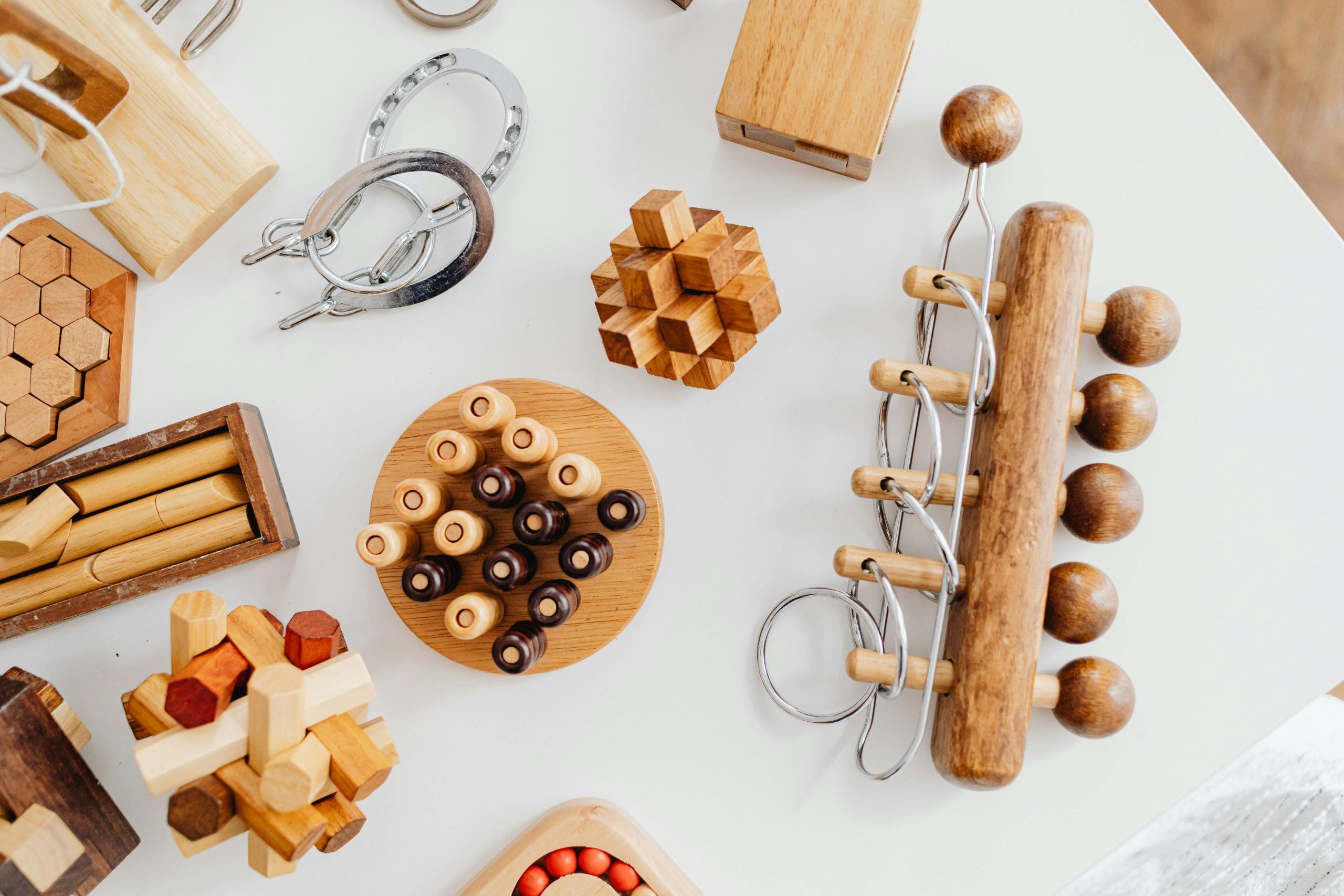
  • Simple Daily Habits That Support Brain Health

    Simple Daily Habits That Support Brain Health

    Your brain is like a muscle—it thrives with consistent care. While genetics play a role, everyday choices heavily influence cognitive function, memory, mood, and resilience against decline. Recent landmark research, including the 2025 U.S. POINTER trial (a large randomized study of over 2,000 older adults), shows structured daily habits combining movement, nutrition, mental stimulation, social ties, and rest can meaningfully improve thinking, memory, and brain health—even reducing dementia risk factors.

    The best part? These simple daily habits for brain health don’t require major overhauls—just small, sustainable tweaks. Whether supporting a child’s learning, your own focus, or an older loved one’s sharpness, consistency adds up. Let’s explore the most effective ones.

    1. Move Your Body Every Day (Even a Little)

    Physical activity tops the list—boosting blood flow, neurogenesis (new brain cells), and BDNF (a protein for brain growth).

    Evidence: POINTER participants with regular aerobic + strength + stretching saw significant cognition gains over 2 years. Mayo Clinic and Harvard recommend at least 150 minutes/week moderate activity.

    Daily habit ideas:

    • 20–30 min brisk walk (or dance, cycle, play active games).
    • Add short bursts: stairs instead of elevator, 10-min stretch/yoga.
    • For kids/families: Walk after meals or play tag—fun counts!

    2. Fuel with Brain-Friendly Foods

    A nutrient-rich diet reduces inflammation and supports neuron health.

    Focus: MIND/Mediterranean patterns (greens, berries, fish, nuts, whole grains, olive oil).

    Evidence: POINTER emphasized MIND diet adherence for memory/executive function benefits. Antioxidants in berries, omega-3s in fish, and polyphenols protect against decline.

    Daily habit ideas:

    • Breakfast: Oatmeal with berries/nuts.
    • Include veggies/fruits at every meal; fatty fish 2–3x/week.
    • Hydrate steadily (link to our nutrition post)—dehydration hurts focus.

    3. Prioritize Quality Sleep Nightly

    Sleep consolidates memories, clears brain waste, and regulates mood.

    Evidence: 7–9 hours/night links to better cognition; poor sleep accelerates decline (recent UF study ties restorative sleep to “younger” brain profiles).

    Daily habit ideas:

    • Consistent bedtime/wake time.
    • Wind-down: No screens 1 hour before bed; dim lights, read, or relax.
    • Cool, dark room; limit caffeine after noon.

    4. Challenge Your Brain Regularly

    Mental stimulation builds cognitive reserve—like “mental reps.”

    Evidence: Cognitive training + novelty (e.g., new skills) in POINTER improved global cognition.

    Daily habit ideas:

    • 10–20 min puzzles, reading, learning (app/language, instrument basics).
    • Try novelty: Brush teeth non-dominant hand, new route home, recall daily events backward (from memory exercises post).
    • For families: Board games or storytelling chains.

    5. Stay Socially Connected

    Meaningful interactions stimulate multiple brain areas and reduce stress.

    Evidence: Strong ties link to healthier brain profiles and lower decline risk (UF 2025 research).

    Daily habit ideas:

    • Quick call/text to a friend/family.
    • Join groups (walk club, book chat, community activity).
    • Family meals or shared hobbies—laughter boosts brain too.

    6. Manage Stress with Quick Daily Practices

    Chronic stress shrinks brain areas; reducing it protects function.

    Evidence: Mindfulness/stress management shows lasting benefits (UF study).

    Daily habit ideas:

    • 5–10 min deep breathing/meditation (e.g., 4-7-8 breathing).
    • Gratitude journaling or positive reflection.
    • Short nature breaks—sunlight helps mood/cognition.

    7. Protect Overall Health Basics

    Control blood pressure/sugar, avoid smoking, limit alcohol—these safeguard brain vessels.

    Evidence: Managing vascular risks prevents decline (Alzheimer’s Association habits).

    Daily habit ideas:

    • Monitor basics (e.g., home BP if needed).
    • No smoking; moderate alcohol if any.
    • Stay hydrated and maintain healthy weight.

    Quick Daily Brain Health Routine Example

    • Morning: 20-min walk + berry breakfast.
    • Midday: Hydrate + quick puzzle/reading break.
    • Afternoon: Social chat or family activity.
    • Evening: Wind-down routine + 7–9 hours sleep.
    • Throughout: Stress check-in + gratitude moment.

    Start with 2–3 habits—track how you feel after a week (sharper focus? better mood?).

    Final Thoughts

    These simple daily habits for brain health are powerful because they’re doable and compound over time. From POINTER’s structured interventions to Alzheimer’s Association’s 10 Healthy Habits, evidence shows multi-habit approaches yield the biggest wins—better memory, focus, resilience, and potentially lower decline risk.

    You’re investing in long-term sharpness for yourself and your family. Pick one or two to start today—small steps lead to big brain benefits!

  • Psychological Injury in Workplace Claims: When Does an Evaluation Become Essential?

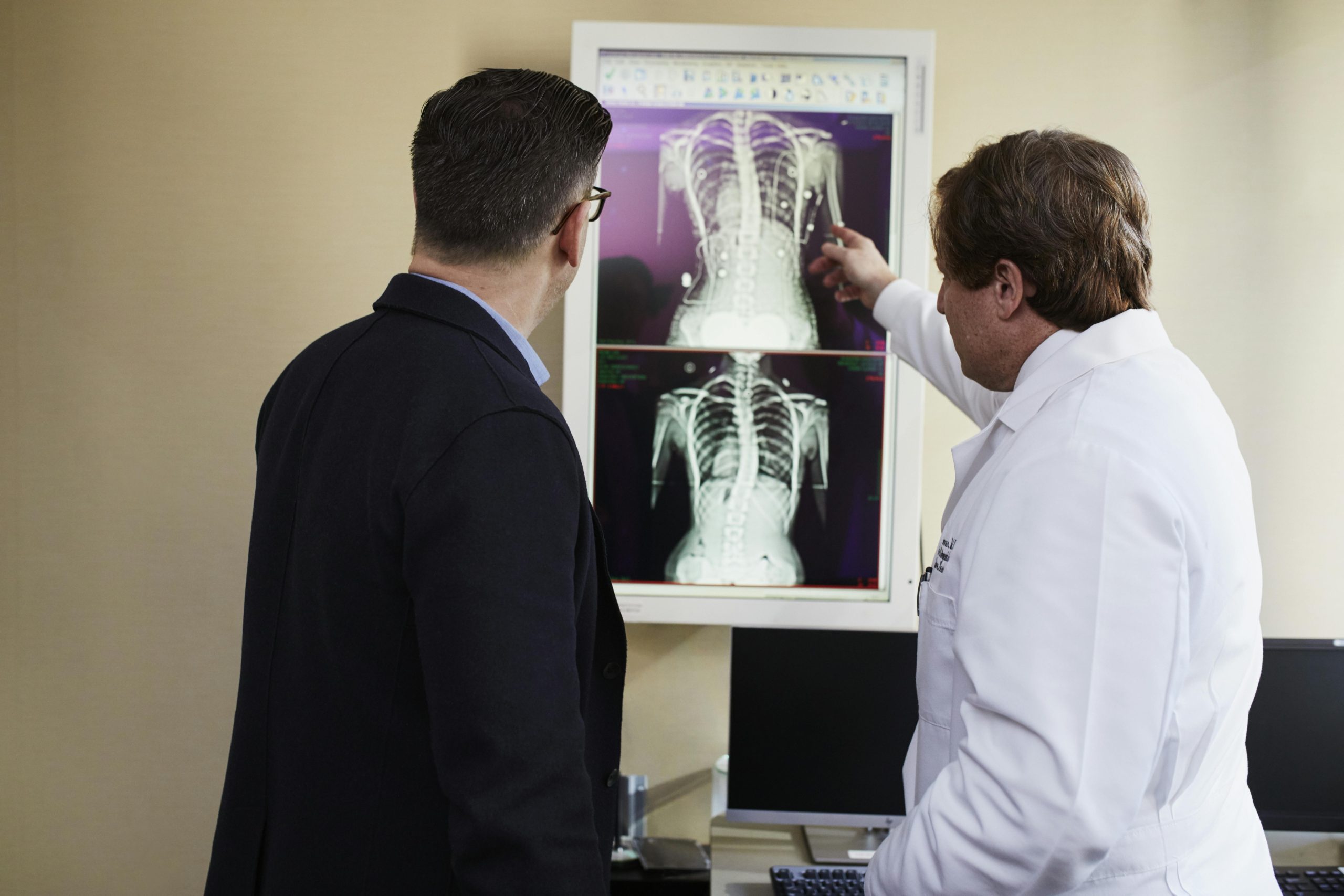
    Psychological Injury in Workplace Claims: When Does an Evaluation Become Essential?

    Workplace stress, trauma, or harassment can lead to real psychological injuries—like anxiety, depression, PTSD, or adjustment disorders—that impact daily functioning and job performance. In many jurisdictions, these qualify as compensable under workers’ compensation or similar systems if linked to work events.

    However, unlike visible physical injuries, psychological ones are harder to “see” and prove. Employers, insurers, and authorities often require strong evidence of causation, severity, and work-relatedness. That’s where a psychological evaluation (or psychiatric assessment) becomes essential.

    This post explains when an evaluation is typically needed, why it’s crucial for claims, common scenarios, and next steps—helping claimants build stronger cases and employers manage them fairly.

    Understanding Psychological Injury in Workplace Claims

    Psychological injuries arise from work-related factors, falling into categories like:

    • Physical-mental: Mental health issues stemming from a physical workplace injury (e.g., chronic pain leading to depression).
    • Mental-mental: Purely psychological harm from workplace events (e.g., PTSD after witnessing violence or severe harassment)—often the hardest to prove and most jurisdiction-dependent.
    • Mental-physical: Rare cases where stress causes physical symptoms.

    Eligibility varies:

    • Many systems require the injury to arise “out of and in the course of employment.”
    • Some demand a sudden traumatic event (not ordinary stress), objective medical findings (e.g., DSM-5 diagnosis), and proof work was a major contributing factor (e.g., >50% in some places).
    • Cumulative stress or “normal” job pressures often don’t qualify unless extraordinary.

    Claims succeed with clear documentation showing the condition is diagnosable, debilitating, and directly tied to work—not pre-existing or personal issues.

    When a Psychological Evaluation Becomes Essential

    A professional evaluation (by a licensed psychologist, psychiatrist, or Qualified Medical Examiner in some systems) is often the cornerstone of these claims. It’s not always required immediately but becomes critical in these situations:

    1. To Establish Diagnosis and Causation You need objective proof the condition meets clinical criteria (e.g., DSM-5) and links to a specific work event or conditions. Self-reported symptoms alone rarely suffice—evaluations provide interviews, standardized tests, and expert opinion on whether work caused or substantially contributed.
    2. When the Claim Involves “Mental-Mental” Injury These are scrutinized heavily (e.g., PTSD from a single traumatic incident like violence). An independent evaluation helps validate symptoms, rule out exaggeration/malingering, and confirm work-relatedness.
    3. If There’s Dispute or Denial Insurers/employers may challenge validity, causation, or severity. An evaluation (often independent or requested by the system) resolves disputes, assesses functional impact (e.g., ability to return to work), and determines benefits/treatment needs.
    4. For Physical Injuries with Secondary Mental Health Effects Chronic pain or disfigurement leading to anxiety/depression often needs evaluation to document added impairment and support higher compensation.
    5. For Permanent Disability, Return-to-Work, or Treatment Authorization Evaluations assess long-term effects, prognosis, work capacity, and needed accommodations/therapy—essential for lump sums, income replacement, or modified duties.
    6. Suspicion of Pre-Existing Conditions or Malingering If history exists or symptoms seem inconsistent, an objective assessment distinguishes work-aggravated issues from unrelated ones.

    In practice, many claims start with treating providers but escalate to formal evaluations (e.g., IME/QME) when contested or for permanency ratings.

    What a Psychological Evaluation Typically Involves

    Conducted by qualified mental health professionals, it includes:

    • Clinical interview (history, symptoms, work events).
    • Standardized tests/questionnaires (e.g., for PTSD, depression).
    • Review of medical/work records.
    • Assessment of functional limitations and causation.
    • Report with diagnosis, opinions on work-relatedness, and recommendations.

    This provides the medical evidence needed for approval, treatment funding, or appeals.

    Practical Next Steps for Claimants

    1. Report Promptly — Notify your employer/supervisor in writing ASAP (timelines vary—often days/weeks).
    2. Seek Treatment Early — See a doctor/mental health professional for initial care and documentation.
    3. Gather Evidence — Keep incident reports, emails, witness statements, and treatment notes.
    4. Request/Undergo Evaluation — If advised (or required), cooperate fully—it’s often key to approval.
    5. Consult Experts — Work with a labor/employment lawyer familiar with local rules (e.g., DOLE in Philippines) for guidance.

    Early action and solid medical support improve outcomes and reduce delays.

    Final Thoughts

    Psychological injury in workplace claims is increasingly recognized, but proof demands objectivity—making a psychological evaluation essential when diagnosis, causation, or impact is questioned. It validates legitimate suffering, guides treatment, and ensures fair compensation while protecting against unfounded claims.

    If you’re dealing with work-related mental health struggles, prioritize professional help and documentation. You’re not alone—many recover and return stronger with the right support.

  • Memory Exercises You Can Do at Home

    Memory Exercises You Can Do at Home

    If your child struggles to remember instructions, follow multi-step directions, or recall what they just read, it might feel like their “mental bucket” has holes. The good news? Memory exercises at home can strengthen working memory (holding info temporarily for tasks), short-term recall, and even long-term retention—often with everyday items or free games.

    These activities build on the brain’s neuroplasticity (its ability to form new connections). Research shows consistent mental challenges—like puzzles, games, and recall drills—improve attention, problem-solving, and academic performance. They’re especially helpful alongside good nutrition/hydration (from our last post) or when addressing potential learning challenges.

    Best part: No fancy tools required. Many are fun family activities that boost confidence too. Let’s dive into practical, effective ones!

    Why Focus on Memory Exercises at Home?

    Working memory is key for learning—following directions, mental math, reading comprehension. Short-term memory helps retain info briefly; long-term builds knowledge over time.

    Evidence-backed benefits:

    • Games and puzzles enhance recall and executive function.
    • Simple recall drills (e.g., backward counting) target working memory.
    • Activities like matching or visualization build visual/spatial memory.

    Start small (10–15 minutes/day), make it playful, and praise effort. Adapt for age: simpler for younger kids, add complexity for older ones/adults.

    Top Memory Exercises You Can Do at Home

    1. Classic Memory Matching Game (Concentration)

    Flip over cards to find pairs—use a standard deck, homemade picture cards, or print free templates online.

    • How it helps: Boosts visual memory and attention.
    • Kid twist: Use family photos or drawings.
    • Adult level: Time yourself or use more cards.
    • Pro tip: Start with 6–8 pairs; increase as they improve.

    2. “What’s Missing?” Tray Game

    Place 10–15 small objects on a tray (toys, kitchen items). Let your child study for 30–60 seconds, cover it, remove 1–3 items, then uncover and ask what’s missing.

    • How it helps: Sharpens short-term visual memory.
    • Variations: Increase items, remove/add multiple, or do it verbally (“I took the red block and spoon”).
    • Great for preschoolers to tweens.

    3. Backward Recitation Challenges

    Say familiar sequences backward:

    • Days of the week/month backward.
    • Count backward from 20/50/100 by 1s, 2s, 3s, etc.
    • Alphabet backward (start from Z).
    • How it helps: Trains working memory by holding and manipulating info.
    • Fun add-on: Alternate numbers/letters (A-1, B-2…).
    • For kids: Make silly voices or race family members.

    4. Storytelling Recall Chain

    One person starts a story with a sentence. Next adds one, remembering all previous. Keep going until someone forgets.

    • How it helps: Builds sequential memory and listening.
    • Family version: Theme it (e.g., “adventure with superheroes”).
    • Solo: Retell a favorite book scene from memory.

    5. Simon Says… with a Twist (or Simon Game Style)

    Play Simon Says, but add sequences: “Touch your head, then clap twice, stomp, jump.”

    • Or use free online Simon apps if available, but homemade is fine.
    • How it helps: Improves auditory/working memory for sequences.

    6. Grocery List Memorization

    Memorize 5–10 grocery items (or homework supplies). Recall them later without looking.

    • How it helps: Practical working memory + categorization (group by aisle).
    • Advanced: Recall in order or backward.

    7. Card Games for Memory

    • Go Fish, Uno, Crazy Eights, War: Remember rules, cards played, others’ hands.
    • Battleship or Memory card variants.
    • How it helps: Strategy + holding info during play.

    8. Number/Word Recall Drills

    Read a list of 5–7 numbers/words, wait 10–30 seconds, recall in order/ backward/random.

    • Variations: Add colors/shapes (e.g., “red apple, blue car”).
    • Builds digit span/working memory.

    9. Jigsaw Puzzles or Sudoku/Crosswords

    Start small (50–100 pieces for kids); increase difficulty.

    • How it helps: Visual-spatial memory, pattern recognition.
    • Free printable sudoku/crosswords abound.

    10. Visualization & Memory Palace Basics

    Pick a familiar route (home rooms). “Place” items to remember along it vividly (e.g., giant banana on couch for shopping list).

    • How it helps: Technique pros use for long-term recall.
    • Kid-friendly: Make it silly/exaggerated.

    Tips to Make Memory Exercises More Effective

    • Keep sessions short & consistent (daily 10–20 min).
    • Combine with movement (e.g., recall while walking).
    • Track progress: Note improvements in homework focus.
    • Pair with nutrition/hydration: Brain foods + water enhance results.
    • If struggles persist: These support, but consult pros for potential learning needs.

    Wrapping Up: Small Steps, Big Brain Gains

    Memory exercises at home are powerful, low-cost ways to build cognitive skills—helping kids (and adults) feel sharper, more confident, and ready for school/life demands. Start with 2–3 favorites, involve the family, and watch recall strengthen over weeks.

    Many parents see quicker homework completion and less frustration. You’re giving your child tools that last a lifetime!

  • How Nutrition and Hydration Affect Cognitive Function

    How Nutrition and Hydration Affect Cognitive Function

    Ever notice your child zoning out during homework, struggling to focus, or seeming “off” after a long day? It might not just be tiredness or a potential learning challenge—nutrition and hydration play massive roles in how the brain works.

    The brain is about 75% water and relies on steady nutrients for energy, neuron communication, and protection against inflammation. Poor diet or even mild dehydration can mimic signs of attention issues, memory lapses, or low motivation—sometimes making kids seem like they “just need more support” when targeted fueling could help a lot.

    In this post, we’ll explore the science behind how nutrition and hydration affect cognitive function, spotlight brain-boosting foods, explain dehydration’s sneaky impacts (especially relevant for school kids), and share practical tips for parents.

    Why Nutrition Matters for Cognitive Function

    What you eat fuels brain development, neurotransmitter production, and protection from oxidative stress. Nutrient-rich diets support better memory, attention, executive function (planning/problem-solving), and even mood.

    Key evidence:

    • Diets high in omega-3s, antioxidants, B vitamins, and polyphenols (like Mediterranean, MIND, or DASH patterns) link to slower cognitive decline, better memory, and improved brain blood flow.
    • In kids and teens, balanced nutrition enhances school performance, spatial memory, and attention—while deficiencies (e.g., iron, folate) can impair learning.
    • Poor diets (high sugar/processed foods) increase inflammation and risk cognitive issues over time.

    Top Brain-Boosting Foods to Include Regularly:

    • Fatty fish (salmon, sardines, mackerel): Rich in omega-3s (DHA) for brain cell structure, memory, and focus.
    • Berries (blueberries, strawberries): Packed with flavonoids/antioxidants that improve memory, delay brain aging, and reduce inflammation.
    • Leafy greens (spinach, kale, broccoli): High in vitamin K, folate, lutein—linked to slower cognitive decline and better focus.
    • Nuts and seeds (walnuts, flaxseeds): Provide healthy fats, vitamin E, and plant-based omega-3s for neuroprotection.
    • Eggs: Source of choline for memory and brain cell communication.
    • Whole grains and legumes: Steady energy via complex carbs and fiber to avoid blood sugar crashes affecting attention.

    Aim for patterns like the MIND diet (greens + berries + fish + nuts), which shows strong ties to preserved cognitive function.

    (Imagine a vibrant plate of salmon, blueberries, spinach salad, walnuts, and eggs—visual for “brain-boosting meal.”)

    The Critical Role of Hydration in Brain Performance

    Water isn’t just for thirst—it’s essential for brain function. Mild dehydration (1–2% body weight loss) impairs cognition, even if you don’t feel thirsty.

    Effects include:

    • Reduced attention, focus, and sustained mental effort.
    • Poorer short-term/working memory and reaction time.
    • Increased fatigue, mood dips (irritability, low vigor), and executive function challenges.
    • In kids, dehydration during school hours links to worse memory tasks, attention, and overall learning—many arrive or leave school mildly dehydrated.

    Studies show rehydrating (e.g., drinking water) quickly improves alertness, memory, and mood. For children, even small amounts (200–500 mL) boost visual attention and cognitive flexibility.

    School kids are especially vulnerable: They often drink most fluids at meals, not throughout the day, leading to progressive dehydration that hurts concentration by afternoon.

    How This Ties to Children’s Learning and Potential Misdiagnosis

    Struggles with focus, memory, or frustration in school? Sometimes it’s not a learning disability—it’s suboptimal fueling.

    • Dehydration or nutrient gaps (e.g., low iron/folate) can cause attention/fatigue issues mimicking ADHD-like symptoms or learning delays.
    • Breakfast skippers or low-water kids show poorer problem-solving and memory retention.
    • Proper nutrition/hydration supports interventions: Better-fed/hydrated kids respond more to tutoring or support plans.

    If challenges persist despite good fueling, professional evaluation (as in prior posts) remains key—but starting with diet/hydration tweaks is low-risk and high-reward.

    Practical Tips for Parents to Optimize Brain Fuel

    1. Prioritize balanced meals: Include protein + healthy fats + complex carbs (e.g., eggs + avocado toast + berries for breakfast).
    2. Hydration habits: Encourage water throughout the day—aim for 1–2 liters for school-age kids. Send a reusable bottle; add fruit slices for appeal.
    3. School strategies: Breakfast at home/school improves attention. Afternoon snacks (nuts/fruit) prevent energy crashes.
    4. Limit pitfalls: Cut excess sugar/processed foods that spike/crash blood sugar and increase inflammation.
    5. Monitor & adjust: Track mood/focus changes with tweaks—many parents see quick wins in homework stamina.

    Final Thoughts

    Nutrition and hydration aren’t just about physical health—they’re foundational for sharp thinking, steady focus, and emotional resilience. Small, consistent changes (more greens, berries, fish, and steady water) can enhance cognitive function dramatically, helping kids learn better and feel more capable.

    Whether supporting a child with mild struggles or just optimizing potential, fueling the brain right is one of the most accessible ways to make a difference.

  • Concierge Psycho-educational Evaluations for High-Achieving Families

    Concierge Psycho-educational Evaluations for High-Achieving Families

    When your child’s potential matters, guesswork is not an option.

    Our concierge psychoeducational evaluations go beyond labels and test scores. We provide precise, actionable insight that drives smarter academic decisions, stronger performance, and long-term confidence.

    We identify strengths first. Then we build strategy.

    Exceptional potential deserves exceptional insight.


    What Makes Our Approach Different

    Traditional testing often stops at diagnosis. We go further.

    Our evaluations deliver:

    • Sophisticated cognitive profiling
    • Executive functioning analysis
    • Academic performance mapping
    • Performance psychology insights
    • Targeted strategic recommendations

    Every assessment is conducted with intention, discretion, and white-glove care. Families receive not just data—but clarity.


    Parent Benefits

    A comprehensive psychoeducational evaluation can lead to:

    • Higher grades and improved standardized test performance
    • Reduced academic stress and frustration
    • Stronger confidence and self-understanding
    • Clearer academic direction
    • Better positioning for college admissions and accommodations

    When students understand how they learn, performance improves.


    When to Consider a Psychoeducational Evaluation

    You may benefit from an evaluation if your child:

    • Is underperforming despite strong effort
    • Demonstrates inconsistent academic results
    • Struggles with focus, organization, or time management
    • Experiences test anxiety
    • Needs documentation for school or college accommodations
    • Is high-achieving but not maximizing potential

    High school is a pivotal academic phase. Strategic insight during these years can materially impact college outcomes and long-term trajectory.


    Additional Services

    In addition to concierge psychoeducational evaluations, PEAK Forensic Psych Services provides:

    • Psychological Evaluations (diagnostic clarification for children and adolescents)
    • Memory Testing (cognitive and neuropsychological screening)
    • Legal Defense Evaluations (forensic psychological assessments)
    • Personal Injury Psychological Support
    • Free Consultations

    Each service is structured, evidence-based, and outcome-focused.