
Category: Memory treatment

  • Managing Stress to Protect Your Memory

    Managing Stress to Protect Your Memory

    We’ve all felt it — that racing mind, tight shoulders, or constant worry that makes it hard to concentrate or remember simple things. What many people don’t realize is that chronic stress directly impacts memory and brain health.

    When stress becomes ongoing, it can shrink the hippocampus (the brain’s key memory center), impair new memory formation, and make recall more difficult. The good news? Managing stress to protect your memory is highly effective. Research shows that lowering stress levels through simple, consistent strategies can improve memory performance, enhance focus, and even help reverse some stress-related cognitive changes.

    In this post, we’ll explore how stress harms memory, the science behind it, and proven daily techniques to safeguard your brain — whether you’re supporting a child’s learning, protecting your own sharpness, or helping an aging parent.

    How Stress Affects Memory and Cognitive Function

    The brain’s stress response (fight-or-flight) is helpful in short bursts, but chronic activation is damaging:

    • Elevated cortisol — Prolonged high levels of the stress hormone cortisol can damage or shrink the hippocampus, making it harder to form and retrieve memories.
    • Impaired working memory — Stress reduces your ability to hold and manipulate information (e.g., following multi-step directions or remembering a shopping list).
    • Attention and focus problems — Chronic worry makes it difficult to concentrate, leading to more “senior moments” or forgetfulness in all ages.
    • Sleep disruption — Stress often interferes with quality sleep, which is critical for memory consolidation (as we covered in our sleep post).
    • Inflammation — Long-term stress promotes brain inflammation, accelerating age-related memory changes and increasing risk of cognitive decline.

    Studies consistently link high chronic stress to poorer memory performance in both children and adults. In older adults, unmanaged stress is associated with faster progression from normal age-related changes to more concerning cognitive issues.

    The connection is clear: reducing stress isn’t just about feeling calmer — it’s a direct way to protect your memory.

    Practical Strategies for Managing Stress to Protect Your Memory

    Here are evidence-based habits you can start today. Many take just 5–15 minutes and pair well with the daily brain health routines we discussed earlier.

    1. Practice Daily Mindfulness or Deep Breathing

    Even short sessions lower cortisol and improve hippocampal function.

    • Try the 4-7-8 breathing technique: Inhale for 4 seconds, hold for 7, exhale for 8.
    • Use guided apps for 5–10 minutes of mindfulness meditation.
    • For families: Do a quick breathing exercise together before homework or bedtime.

    2. Move Your Body Regularly

    Exercise is one of the most powerful stress reducers and memory protectors.

    • Aim for 20–30 minutes of moderate activity most days (walking, yoga, dancing).
    • Physical movement lowers cortisol while boosting BDNF (brain-derived neurotrophic factor), which supports memory centers.
    • Bonus: Combine with nature walks for extra mood and cognitive benefits.

    3. Prioritize Quality Sleep

    Stress and poor sleep create a vicious cycle. Protecting sleep protects memory.

    • Maintain consistent bedtime routines (link to our sleep post).
    • Create a wind-down ritual: dim lights, avoid screens, and do light stretching or reading.
    • If stress keeps you awake, journaling worries before bed can help “offload” them from your mind.

    4. Build a Strong Social Support Network

    Isolation increases stress; connection buffers it.

    • Schedule regular calls, coffee chats, or family meals.
    • Share concerns with trusted people — talking often reduces the mental load.
    • For children: Encourage open conversations about school stress to prevent it from affecting memory and learning.

    5. Use Time Management and Boundary-Setting

    Feeling overwhelmed is a major memory thief.

    • Break tasks into small, manageable steps (use to-do lists or the Pomodoro technique: 25 minutes focused work + 5-minute break).
    • Learn to say “no” to protect your mental bandwidth.
    • Delegate or simplify where possible.

    6. Incorporate Joyful Activities and Gratitude

    Positive emotions counteract stress effects on the brain.

    • Schedule 15–30 minutes daily for hobbies, laughter, or play.
    • Keep a simple gratitude journal — writing 3 things you’re thankful for each evening has been shown to lower stress hormones.
    • For older adults: Gentle activities like gardening, music, or puzzles work well.

    7. Support Your Body with Nutrition and Hydration

    As we covered earlier, what you eat and drink matters.

    • Limit excess caffeine and sugar, which can amplify stress responses.
    • Include brain-friendly foods (berries, fatty fish, leafy greens, nuts) that help regulate mood and reduce inflammation.

    When to Seek Professional Help

    If stress feels overwhelming, interferes with daily life, or memory issues persist despite these habits, consult a doctor or mental health professional. Therapy (such as CBT), counseling, or medical evaluation can rule out other causes and provide tailored tools. In some cases, addressing chronic stress early prevents it from worsening age-related memory changes.

    Final Thoughts

    Managing stress to protect your memory is one of the most powerful investments you can make in your brain health — and it benefits every age group. By lowering cortisol, improving sleep, and creating space for calm and connection, you give your brain the best chance to form, store, and retrieve memories effectively.

    Small daily actions add up. Start with just one or two strategies this week — perhaps deep breathing in the morning and a short walk in the evening — and notice how your focus and recall begin to improve.

    You’re already taking a positive step by reading this. Your brain will thank you!
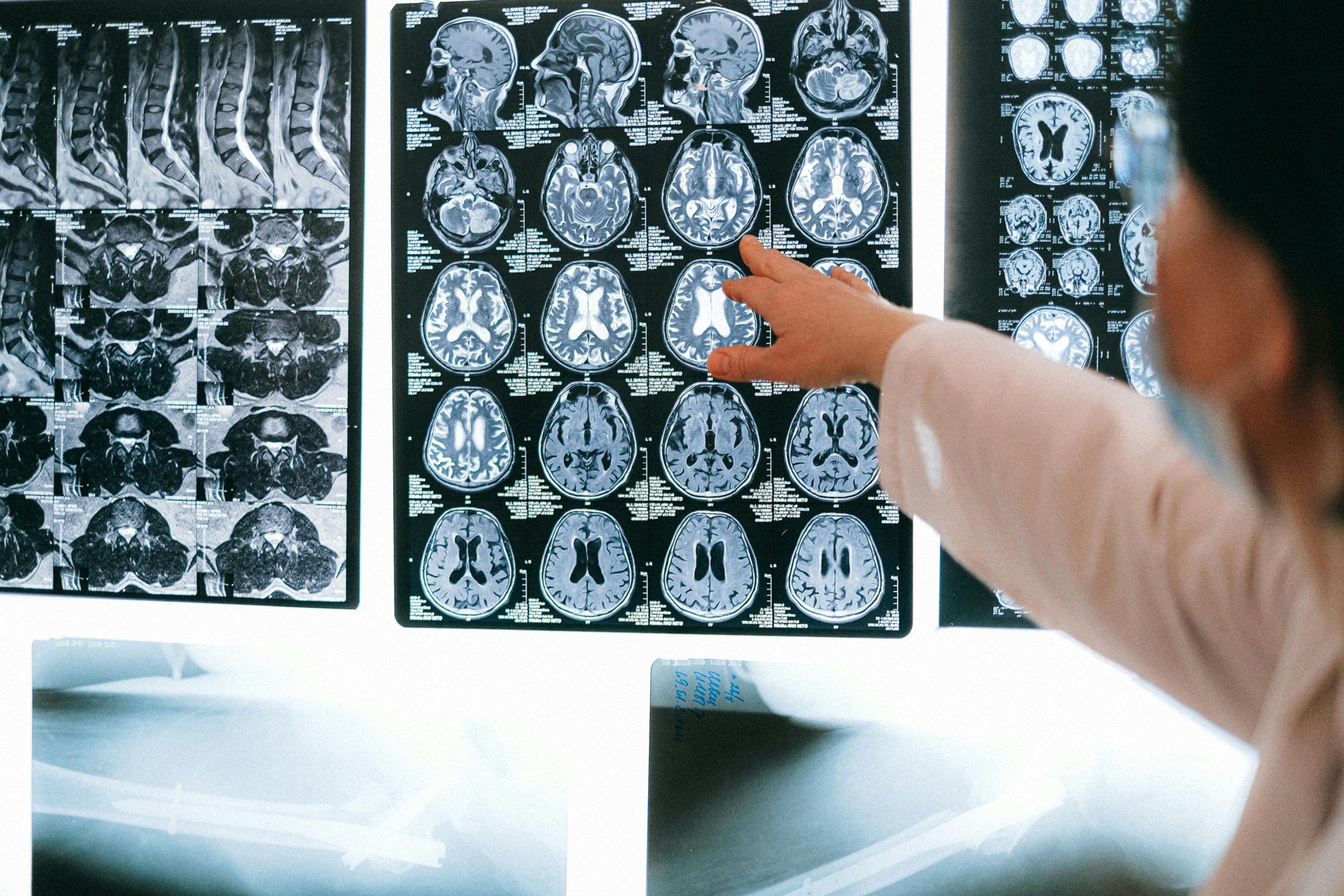
  • Understanding Age-Related Memory Changes vs. Concerning Signs

    Understanding Age-Related Memory Changes vs. Concerning Signs

    It’s common for older adults to notice occasional forgetfulness: “Where did I put my keys?” or “What was that person’s name again?” These moments can spark worry—is this just normal aging, or something more serious like dementia?

    The good news: Most memory changes with age are mild and don’t interfere with daily life. They’re often called “age-associated memory impairment” or “benign senescent forgetfulness”—a normal part of brain aging. However, when changes become frequent, persistent, or disruptive, they may signal mild cognitive impairment (MCI) or early dementia (including Alzheimer’s, the most common type).

    Understanding age-related memory changes vs. concerning signs empowers you to monitor thoughtfully and act early if needed. Early awareness can lead to better management, lifestyle tweaks (like those in our boosting memory post), or medical support to slow progression.

    What Are Normal Age-Related Memory Changes?

    As we age, the brain processes information more slowly, and retrieval takes longer—but memories are still there, and function remains strong.

    Common normal changes include:

    • Occasionally forgetting names, appointments, or recent events—but recalling them later (often with a clue or reminder).
    • Misplacing items from time to time (e.g., glasses on your head) and retracing steps to find them.
    • Needing more time to learn new things or multitask.
    • Slower thinking speed or word-finding delays (“tip-of-the-tongue” moments).
    • Forgetting details of a conversation from months/years ago.
    • Occasionally forgetting the day/date but remembering soon after.

    These are usually mild, annoying at worst, and don’t affect independence. You can still manage finances, drive, cook, socialize, and enjoy hobbies.

    Concerning Signs: When Memory Changes Go Beyond Normal Aging

    Concerning signs involve more severe, frequent, or progressive issues that disrupt daily life. They often point to mild cognitive impairment (MCI) or dementia.

    Mild Cognitive Impairment (MCI): A middle ground—changes greater than normal aging but not severe enough to impair independence. About 10–15% of people with MCI progress to dementia each year, though some stabilize or improve.

    Dementia (e.g., Alzheimer’s): Progressive decline affecting memory, thinking, behavior, and daily function. Early signs worsen over time.

    Key red flags (from Alzheimer’s Association, NIA, and similar sources):

    • Memory loss that disrupts daily life: Forgetting recently learned info, repeating questions, or relying heavily on notes/reminders for familiar tasks.
    • Trouble with planning/problem-solving: Difficulty following recipes, managing bills/finances, or concentrating on detailed tasks.
    • Confusion with time/place: Losing track of dates/seasons, forgetting where you are or how you got there.
    • Difficulty completing familiar tasks: Trouble driving to known places, managing household chores, or using appliances.
    • Problems with words/speech: Struggling to follow/join conversations, frequent pauses, or substituting wrong words.
    • Misplacing things unusually: Putting items in odd places (e.g., keys in fridge) and inability to retrace steps.
    • Poor judgment/decisions: Frequent bad choices (e.g., falling for scams) or neglecting hygiene/safety.
    • Withdrawal from activities: Pulling away from work, hobbies, or social events due to challenges.
    • Mood/personality changes: Increased anxiety, depression, suspicion, or irritability without clear cause.
    • Visual/spatial issues: Trouble judging distances, reading, or recognizing faces/objects.

    If several signs cluster and worsen, it’s worth professional evaluation.

    Quick Comparison Table: Normal vs. Concerning

    AspectNormal Age-Related ChangesConcerning Signs (MCI/Dementia)
    MemoryForget names/events but recall later with cuesForget recent events/conversations; repeat questions
    Daily FunctionStill independent in routinesStruggles with bills, driving, cooking, or familiar tasks
    Judgment/DecisionsOccasional poor choiceFrequent bad decisions or safety risks
    Time/Place AwarenessForget day but remember soonLose track of date/year; get lost in familiar places
    Learning New ThingsSlower but manageableMajor difficulty learning/using new tools
    Mood/BehaviorMinor frustrationUnexplained withdrawal, suspicion, or personality shifts

    When to Seek Help

    Don’t wait for major disruption—early checks can identify treatable causes (e.g., vitamin deficiencies, thyroid issues, depression, sleep problems) or confirm MCI/dementia for better planning.

    See a doctor if:

    • Changes worry you or others notice them.
    • They interfere with work, driving, or independence.
    • Family history of dementia exists.
    • Symptoms progress quickly.

    A primary care visit often leads to cognitive screening (e.g., MoCA test), bloodwork, or referral to a neurologist/neuropsychologist for detailed assessment.

    Supporting Brain Health in the Meantime

    While monitoring, incorporate proven strategies:

    • Regular exercise, brain-healthy diet (berries, fish, greens), good sleep (from our earlier posts).
    • Mental stimulation (puzzles, new skills), social engagement.
    • Stress management and routine check-ups.

    Final Thoughts

    Most memory slips are normal age-related changes—not a sign of something serious. But knowing age-related memory changes vs. concerning signs helps reduce fear and catch issues early when intervention matters most.

    You’re being proactive by reading this—many people thrive with awareness and support. If changes feel off, talk to a doctor; it’s often reassuring and opens doors to help.

  • Latest Advances in Memory Treatment and Cognitive Rehabilitation

    Latest Advances in Memory Treatment and Cognitive Rehabilitation

    What’s New in Memory Treatment: Evidence-Backed Advances You Should Know

    Memory loss isn’t an inevitable one-way decline—especially when early intervention and targeted treatment are in place. Recent scientific studies are rapidly expanding our understanding of how memory works and how it can be strengthened or maintained over time.

    At Peak Memory Clinics, we stay on the cutting edge of research so our programs integrate the most effective, evidence-based strategies available. Below are some of the most promising developments in memory treatment and brain health.


    1. Cognitive Rehabilitation: Precision Training for the Brain

    Cognitive rehabilitation—once mostly associated with brain injury care—is now supported by a growing body of research for broader use in memory support.

    Recent Findings

    • Structured cognitive exercises can improve working memory, attention, and executive function even in cases of Mild Cognitive Impairment (MCI).
    • Personalized training that targets specific weaknesses (e.g., memory encoding or retrieval strategies) produces measurable gains in daily functioning.
    • Cognitive rehabilitation also shows benefits for mood and confidence—two factors that profoundly impact memory performance.

    Why It Matters:
    This research shifts memory care away from “wait and see” toward active strengthening of mental skills.


    2. Lifestyle Interventions Have Scientific Muscle Behind Them

    Studies increasingly demonstrate that everyday health habits are not just supportive—they are therapeutic.

    Key Areas with Research Backing

    Sleep:
    Poor sleep disrupts memory consolidation. Regular, quality sleep has been linked to slower progression of cognitive decline.

    Nutrition and Metabolism:
    Diets rich in antioxidants, healthy fats (like omega-3s), and protein correlate with better memory outcomes. Insulin resistance and metabolic syndrome are now recognized risk factors for cognitive dysfunction.

    Physical Exercise:
    Aerobic and balance-focused exercise releases neurotrophic factors (proteins that support neuronal health), improves blood flow, and supports neural growth—especially in memory-related brain regions.

    Stress Management:
    Chronic stress floods the body with cortisol, which impairs memory circuits. Mindfulness and structured stress interventions have measurable effects on cognitive performance.

    Why It Matters:
    Memory is not isolated in the brain—it is deeply influenced by the rest of the body. These studies validate a whole-person approach to memory care.


    3. Technology-Assisted Cognitive Training

    Digital tools and computer-based programs are gaining empirical support as memory enhancers—when used correctly.

    Research Insights

    • Adaptive software that adjusts difficulty based on performance can produce greater memory improvements than static programs.
    • Combining digital training with real-world strategy coaching yields the best functional outcomes.
    • Emerging mobile applications now include evidence-based modules for memory support, attention training, and everyday planning.

    Why It Matters:
    Technology is making effective cognitive rehabilitation more accessible and measurable—but it works best when integrated into a structured clinical plan.


    4. Biomarkers and Precision Evaluation Tools

    Scientific advances are improving how clinicians assess memory changes and track treatment response.

    Examples

    • Neuroimaging measures (e.g., MRI markers) that track brain network connectivity changes
    • In-depth cognitive profiling for subtle memory patterns
    • Blood-based biomarkers that may help differentiate causes of cognitive decline

    Why It Matters:
    Better assessment means better intervention—treatments can be personalized based on the unique cognitive profile of each individual.


    5. Early Intervention Is No Longer Optional—It’s Evidence-Based

    Longitudinal studies consistently show that earlier engagement with memory intervention programs leads to better maintenance of independence and quality of life.

    Key Takeaways

    • Early-stage treatment slows functional decline
    • People who begin structured memory support sooner retain daily independence longer
    • Delaying intervention reduces treatment impact

    Why It Matters:
    This research supports what clinicians see in practice: early, structured, evidence-based treatment works.


    Putting Research Into Action at Peak Memory Clinics

    What all of this research confirms is that memory treatment is not about hope alone—it’s about strategy, structure, and science. At Peak Memory Clinics, we integrate:

    ✔ individualized cognitive rehabilitation
    ✔ sleep and metabolic health support
    ✔ structured lifestyle interventions
    ✔ technology-assisted training when appropriate
    ✔ ongoing monitoring and adaptation

    Memory change is not simple, but it is treatable—especially when approached from multiple angles that align with the latest research.


    Final Thought

    Memory health isn’t a fixed fate—it’s a dynamic system influenced by behavior, biology, and intervention. The newest studies are clear: the brain retains plasticity well into older age, and targeted treatment makes measurable improvements possible.

  • Memory Treatment & Cognitive Rehabilitation for Adults

    Memory Treatment & Cognitive Rehabilitation for Adults

    Peak Memory Clinics provides evidence-based memory treatment and cognitive rehabilitation for adults with MCI, early dementia, and age-related memory decline.


    Memory Treatment and Cognitive Rehabilitation for Adults

    Peak Memory Clinics is a specialized division of PEAK Forensic Psych Services, focused exclusively on memory treatment and cognitive rehabilitation for adults experiencing:

    • Mild memory changes

    • Mild Cognitive Impairment (MCI)

    • Early-to-moderate dementia

    • Memory decline related to illness, injury, or aging

    We partner with patients, families, physicians, and senior programs to provide structured, evidence-based memory treatment in a supportive and hopeful environment.


    When Memory Loss Begins, Hope Doesn’t End

    Memory loss can feel overwhelming—for individuals and for families. A diagnosis of Mild Cognitive Impairment or early dementia often brings fear and uncertainty about the future.

    At Peak Memory Clinics, we take a different approach.

    A diagnosis is not the end of the story. With the right treatment plan, structured cognitive rehabilitation, and targeted lifestyle-based interventions, many individuals can:

    • Slow cognitive decline

    • Improve daily functioning

    • Strengthen attention and memory skills

    • Maintain independence longer

    • Regain specific functional abilities

    Our programs are designed to help adults remain confident, engaged, and active in life for as long as possible.


    A Whole-Person Approach to Memory Care

    Peak Memory Clinics uses a whole-person treatment model that addresses the full range of factors known to influence memory, cognition, and daily functioning.

    Rather than focusing on symptoms in isolation, we consider:

    • Physical health

    • Mental and emotional well-being

    • Lifestyle habits

    • Environmental supports

    This integrated approach creates a comprehensive, individualized care plan that supports not only cognitive performance but also overall quality of life and long-term brain health.


    How the Program Works

    Step 1: Comprehensive Memory Evaluation

    Every patient begins with a detailed assessment of:

    • Memory and cognitive strengths and weaknesses

    • Executive functioning and attention

    • Daily functioning and independence

    • Sleep quality, hydration, nutrition, movement, and emotional health

    This allows us to design a personalized treatment plan, not a one-size-fits-all program.


    Step 2: Cognitive Rehabilitation & Memory Treatment

    Patients participate in structured, psychologist-led sessions focused on:

    • Strengthening attention, memory, and executive functioning

    • Teaching practical strategies to compensate for memory changes

    • Reinforcing skills needed for daily life and independence

    Cognitive rehabilitation is goal-oriented, engaging, and tailored to each individual’s abilities. Treatment focuses on real-life application, not just exercises on paper.


    Step 3: Lifestyle-Based Brain Health Support

    Research consistently shows that memory is deeply influenced by daily habits. At Peak Memory Clinics, lifestyle intervention is not optional—it is foundational.

    We actively address:

    • Sleep hygiene – improves memory consolidation and reduces confusion

    • Hydration – prevents dizziness, cognitive lapses, and avoidable hospitalizations

    • Movement and balance – supports brain health and lowers fall risk

    • Nutrition and protein intake – fuels cognition and energy levels

    • Daily routines and structure – enhances recall and confidence

    • Social and mental engagement – protects and strengthens memory pathways

    These areas are not “extras.” They are core components of effective memory treatment.


    Who We Work With

    Peak Memory Clinics partners with:

    • Adults experiencing early memory changes

    • Individuals diagnosed with Mild Cognitive Impairment (MCI)

    • Adults in early-to-moderate stages of dementia

    • Patients recovering from illness or injury affecting cognition

    • Families seeking proactive memory support

    We also collaborate with physicians, senior programs, and healthcare providers to ensure coordinated, comprehensive care.


    A Better Path Forward

    Memory decline does not mean immediate loss of independence or identity. With structured treatment, evidence-based cognitive rehabilitation, and lifestyle-based brain health support, meaningful improvement is possible.

    At Peak Memory Clinics, our mission is simple:

    Provide hope, provide treatment, and provide a better path forward for individuals and families navigating memory loss.

    If you or a loved one are experiencing memory changes, early intervention can make a measurable difference. Reach out to learn more about our comprehensive memory treatment programs.

    Related Articles:

    12 Ways to Keep your Brain Young

  • Practical Tips for Memory Treatment and Brain Health

    Practical Tips for Memory Treatment and Brain Health

    Memory changes can feel frustrating and even frightening, but there are evidence-based strategies that can make a measurable difference. Whether someone is experiencing mild memory changes, Mild Cognitive Impairment (MCI), or early-stage dementia, structured support and daily habits play a critical role in maintaining cognitive function and independence.

    Here are practical, research-informed tips that support effective memory treatment and long-term brain health.

    1. Strengthen Attention First

    Memory depends on attention. If the brain does not fully attend to information, it cannot store it properly. Reduce distractions when learning something new—turn off background noise, make eye contact, and repeat important information out loud. Practicing focused attention exercises daily can significantly improve retention.

    2. Use Repetition and Spaced Practice

    The brain strengthens memory pathways through repetition over time. Instead of reviewing information once, revisit it multiple times across several days. Spaced repetition improves long-term recall more effectively than cramming or single exposure.

    3. Create Structured Daily Routines

    Consistency reduces cognitive load. Establishing regular times for waking, meals, medication, and activities helps reinforce orientation and recall. Written schedules, whiteboards, and digital reminders can support independence and reduce forgetfulness.

    4. Support Sleep Hygiene

    Sleep is when the brain consolidates memories. Poor sleep impairs attention, recall, and processing speed. Maintain consistent sleep and wake times, reduce evening screen exposure, and avoid heavy meals before bed. Improving sleep often leads to noticeable improvements in clarity and memory performance.

    5. Stay Physically Active

    Movement increases blood flow to the brain and supports neural health. Even moderate activity such as daily walking can enhance cognitive function. Balance exercises are particularly important for older adults, as fall prevention directly supports overall independence.

    6. Prioritize Hydration and Nutrition

    Dehydration can cause confusion, dizziness, and fatigue—symptoms often mistaken for worsening memory decline. Consistent hydration throughout the day is essential. A diet that includes adequate protein, healthy fats, fruits, and vegetables supports brain function and sustained energy levels.

    7. Engage in Cognitive Rehabilitation Strategies

    Targeted cognitive exercises strengthen specific skills such as attention, working memory, and executive functioning. Structured memory treatment programs often include strategy training—teaching individuals how to chunk information, use association techniques, and apply compensatory tools like notebooks or digital reminders effectively.

    8. Maintain Social and Mental Engagement

    Isolation accelerates cognitive decline. Regular conversation, group activities, reading, puzzles, and learning new skills help stimulate neural pathways. Social interaction is not optional—it is protective.

    9. Manage Stress and Emotional Health

    Chronic stress impairs memory by affecting concentration and emotional regulation. Mindfulness practices, breathing exercises, and structured therapy when needed can significantly improve cognitive clarity.


    Memory treatment is not about a single exercise or quick fix. It requires a comprehensive approach that combines cognitive strategies, structured routines, healthy lifestyle habits, and emotional support.

    With consistency and the right interventions, many individuals can slow progression, strengthen daily functioning, and maintain independence longer than expected. Memory change does not mean the end of capability—it means the need for intentional support and structured strategy.

  • How Forensic Psychological Evaluations Work

    How Forensic Psychological Evaluations Work

    A forensic psychological evaluation is more than a regular therapy session. It is a structured, standardized assessment designed to answer specific legal questions. At PEAK Forensic Psych Services, we:

    1. Conduct independent, comprehensive assessments

    2. Use validated tools and methods to ensure results are accurate and defensible

    3. Produce clear, concise, and legally relevant reports that explain findings in plain language

    4. Provide consultation and expert testimony when necessary

    All our clinicians are PSYPACT-credentialed, which allows us to provide forensic psychological expertise across all participating states, ensuring our evaluations are recognized and usable in legal proceedings nationwide.


    Why Forensic Psychology Matters

    Legal cases often involve complex human behavior and mental health considerations. Factors like memory, attention, trauma, emotional regulation, and cognitive functioning can influence outcomes in ways that may not be obvious. A forensic psychologist:

    • Clarifies how mental health or cognitive challenges affect behavior and decision-making

    • Provides evidence to support or clarify claims in court

    • Helps attorneys, judges, and families make informed, fair decisions

    Forensic psychology can be critical in cases involving child custody, personal injury, post-accident recovery, disability claims, or criminal matters. Having objective, expert insight can make a meaningful difference in the case outcome.


    Conclusion

    Forensic psychology is the intersection of mental health and the law. At PEAK Forensic Psychological Services, we provide evaluations, consultation, and support designed to clarify complex psychological questions in legal cases. Our goal is to provide objective, evidence-based insights that are understandable, actionable, and defensible—helping attorneys, families, and individuals navigate legal challenges with confidence.